
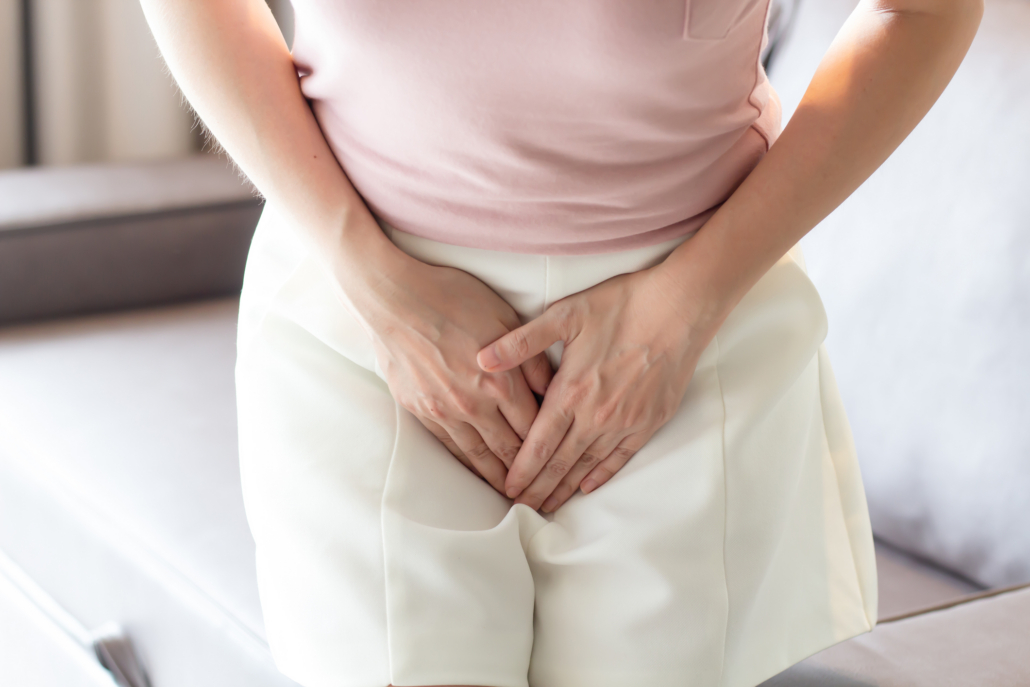
Bladder Leakage: What Women Should Know
Why is this so common after childbirth or as we age, and is it ever truly “normal”?
Bladder leakage is extremely common after childbirth and with aging because the pelvic floor muscles and connective tissues naturally weaken over time. Pregnancy and delivery place significant strain on these muscles, and hormonal changes during menopause can further reduce tissue strength and bladder support. Chronic coughing, constipation, heavy lifting, and high-impact exercise can also contribute over the years.
That said, there’s an important distinction between common and normal. While millions of women experience leakage, it should not simply be accepted as an inevitable part of aging or motherhood. Occasional leakage may happen, but persistent symptoms can signal that the pelvic floor and bladder could benefit from support or treatment.
For women who aren’t ready for surgery, what are the most effective at-home or lifestyle changes to manage leakage?
Fortunately, surgery is rarely the first step. Many women see meaningful improvement through conservative lifestyle measures. Pelvic floor exercises, when performed correctly, can strengthen the muscles that support bladder control. Maintaining a healthy weight, treating constipation, reducing excessive caffeine or alcohol intake, and managing fluid timing can also reduce symptoms.
Bladder training is another effective strategy. Rather than urinating “just in case,” women can gradually retrain the bladder to hold urine for longer intervals, improving urgency and frequency symptoms over time. Small adjustments in daily habits often make a larger difference than many people expect.
What are some of the innovative, noninvasive in-office treatments that can help with bladder control?
In recent years, treatment options for bladder leakage have expanded significantly beyond surgery. Pelvic floor stimulation therapies such as VTone use gentle electrical stimulation to strengthen muscles that are hard to activate on their own. These treatments are noninvasive and can help improve muscle coordination and control.
For urgency and overactive bladder symptoms, nerve stimulation therapies can help regulate the communication between the bladder and the nervous system. Pessaries—circular devices placed in the vagina that put pressure on the urethra to prevent leaking—can also help. These devices can be used continuously or as needed, which is especially helpful if urine leakage occurs during predictable activities like tennis or jogging. A referral to a pelvic physical therapist can also help. The encouraging news is that women now have access to a much broader range of minimally invasive treatment options than in the past.
How much of an impact does pelvic floor therapy really have on long-term results?
Pelvic floor therapy can have a substantial impact on long-term bladder control and pelvic health. Many women assume their pelvic floor is simply “weak,” when in reality the muscles may also be overly tight, poorly coordinated, or not functioning properly as a system.
A trained pelvic floor therapist evaluates posture, breathing mechanics, muscle coordination, core strength, and the pelvic floor itself. For stress incontinence, postpartum recovery, prolapse symptoms, and pelvic pain, pelvic floor therapy often leads to significant improvement—especially when patients remain consistent with treatment and exercises.
In many cases, pelvic floor therapy is one of the most effective first-line treatments available and can help women avoid or delay more invasive interventions. This is especially helpful if pelvic pain or painful intercourse are also present.
When should a woman stop “managing” it on her own and seek a professional consultation?
A professional evaluation is warranted whenever bladder leakage begins to affect quality of life. That may include wearing pads daily, avoiding exercise, limiting travel or social activities, waking frequently at night to urinate, or feeling anxious about leakage during normal daily activities.
Women should also seek care if symptoms are worsening or accompanied by pain, recurrent urinary tract infections, pelvic pressure, blood in the urine, or sudden severe urgency. Early evaluation often leads to more treatment options and better long-term outcomes.
Most importantly, women should know that they do not need to simply “live with it.” Bladder leakage is treatable, and seeking help early can make a significant difference in both comfort and confidence.
-Dr. Sarah Maddison, MD